Pudhumadam Field Research Facility - MADURAI KAMARAJ UNIVERSITY, Pudhumadam - 623524 Ramnad District, Tamil Nadu, India

Madurai Kamaraj University instituted a Centre for Marine and Coastal Studies in the year 1998 for the establishment of Marine Field Research facility at Pudhumadam, Ramnad District. The University has recognized the academic and research activities of the Centre for Marine and Coastal Studies (CMCS) and elevated its status to Department of Marine and Coastal Studies (DMCS) from the academic year 2009-10 onwards. Through this Centre, UGC Innovative M.Sc., course in Sub-Aqua Marine Ecology and Toxicogenomics (2 Years-Regular) was offered from the Academic year 2005-06 to 2013-14. The University Grants Commission has provided necessary financial support and manpower to conduct this course under its Innovative Programmes for Teaching and Research in Interdisciplinary and Emerging areas upto March 2019. From 2014-15 onwards, this course was renamed as M.Sc., Marine Biology.
 The DMCS has been recognized by its work and has been supported by international organizations such as IOC/UNESCO, UNDP, WHO, IFS, GCRMN, GIZ and by national organizations such as the Department of Ocean Development (DOD), Ministry of Environment and Forests (MoEF), Department of Biotechnology (DBT), Ministry of Earth Sciences-NIOT, Indian Space Research Organization (ISRO), Indian Council of Medical Research (ICMR), Council of Scientific and Industrial Research (CSIR), Planning Commission (PC), Gulf of Mannar Biosphere Reserve Trust (GOMBRT) and University Grants Commission (UGC).
The Department has well equipped marine laboratory facility for conducting research both in the Madurai Kamaraj University main campus at Madurai as well as in the Marine Field Research facility at Pudhumadam, Ramnad District, Tamil Nadu.
Salient Features Of The Department
Qualified, skilled, dedicated staff with hands-on training & research experience in interdisciplinary sciences.
Visiting faculty from reputed research institutes, industries and Universities.
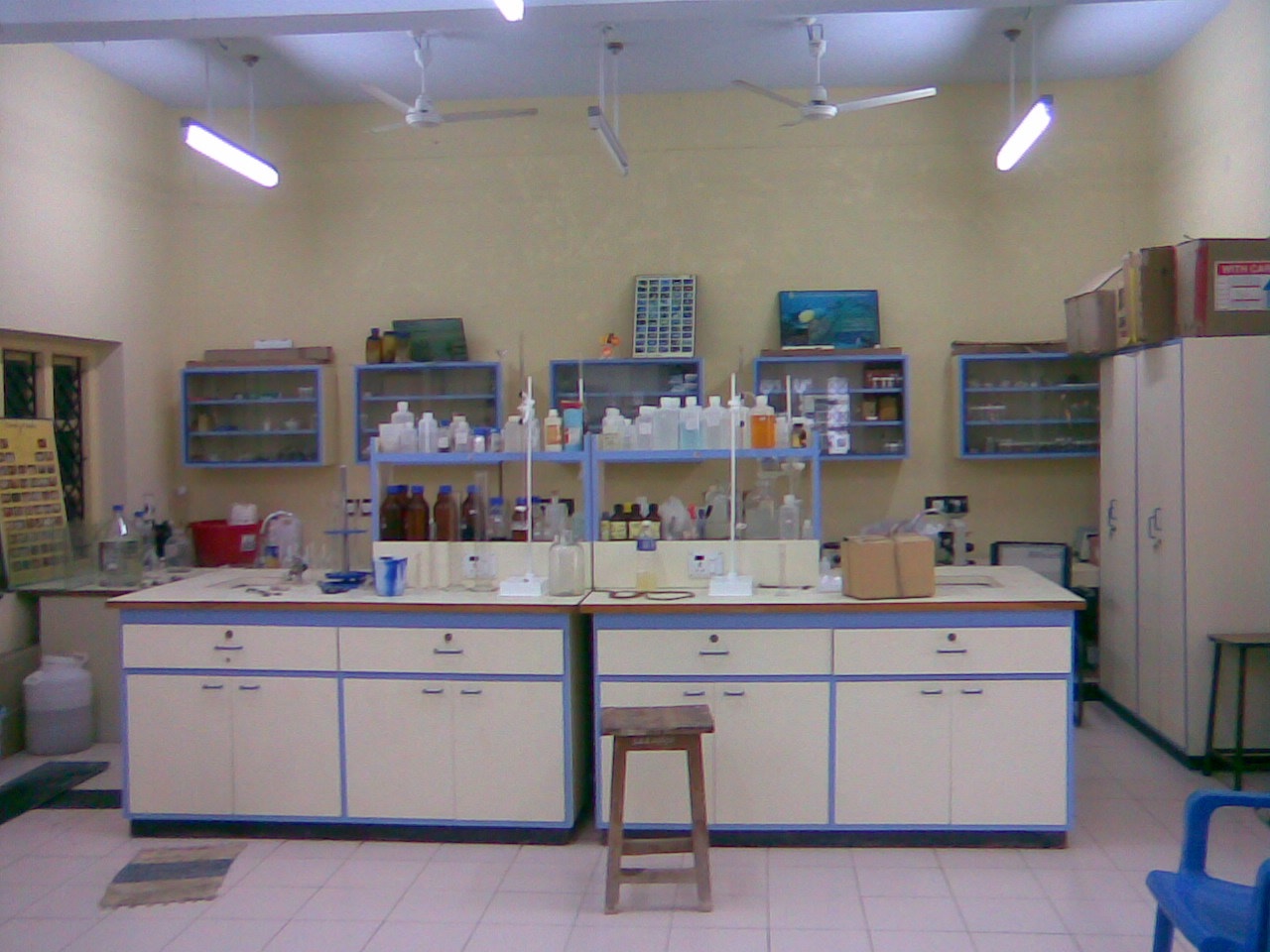
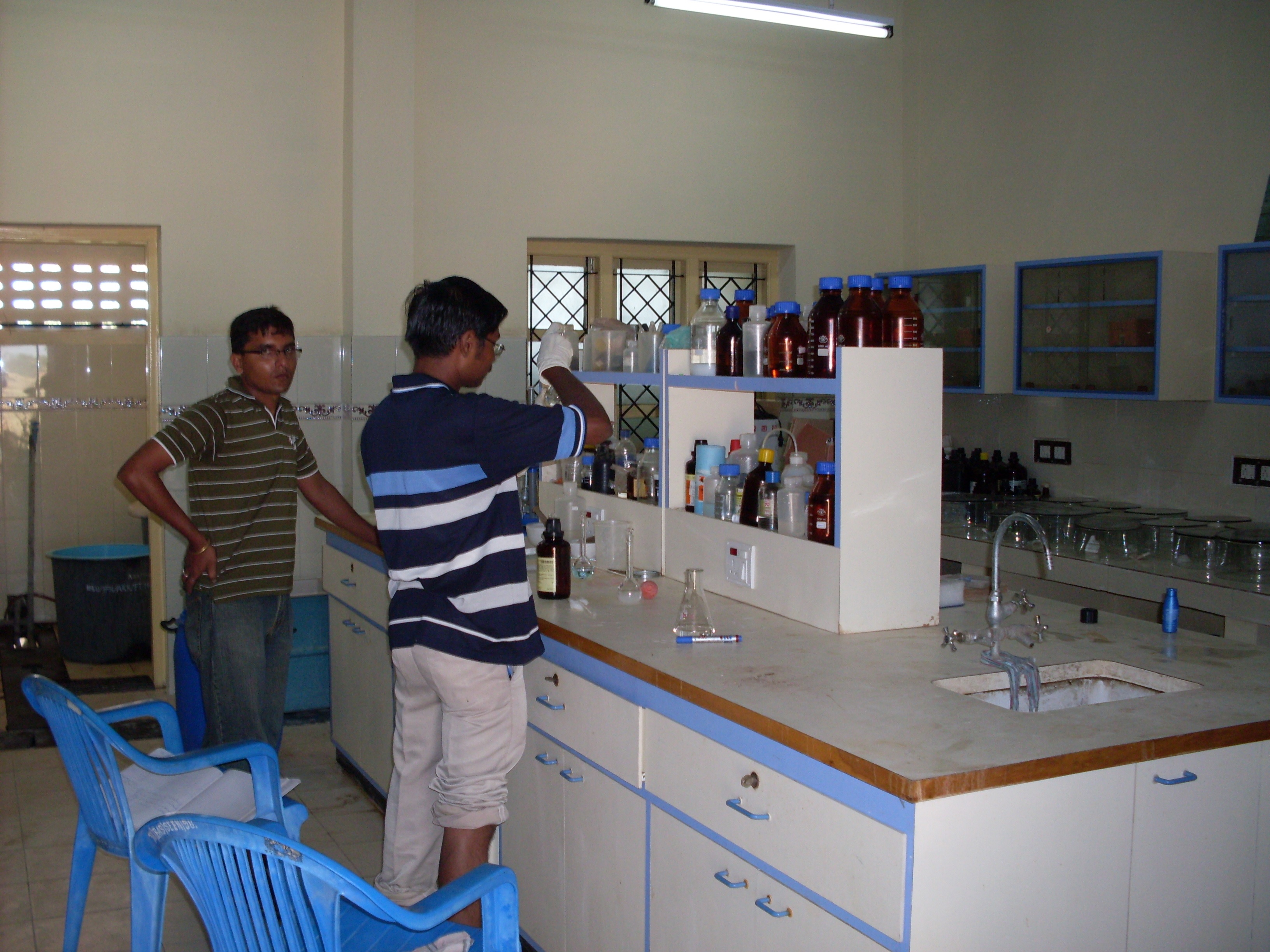
Spacious laboratories with best infrastructure and equipments for marine ecology, underwater monitoring, marine ecotoxicology, marine biotechnology etc.
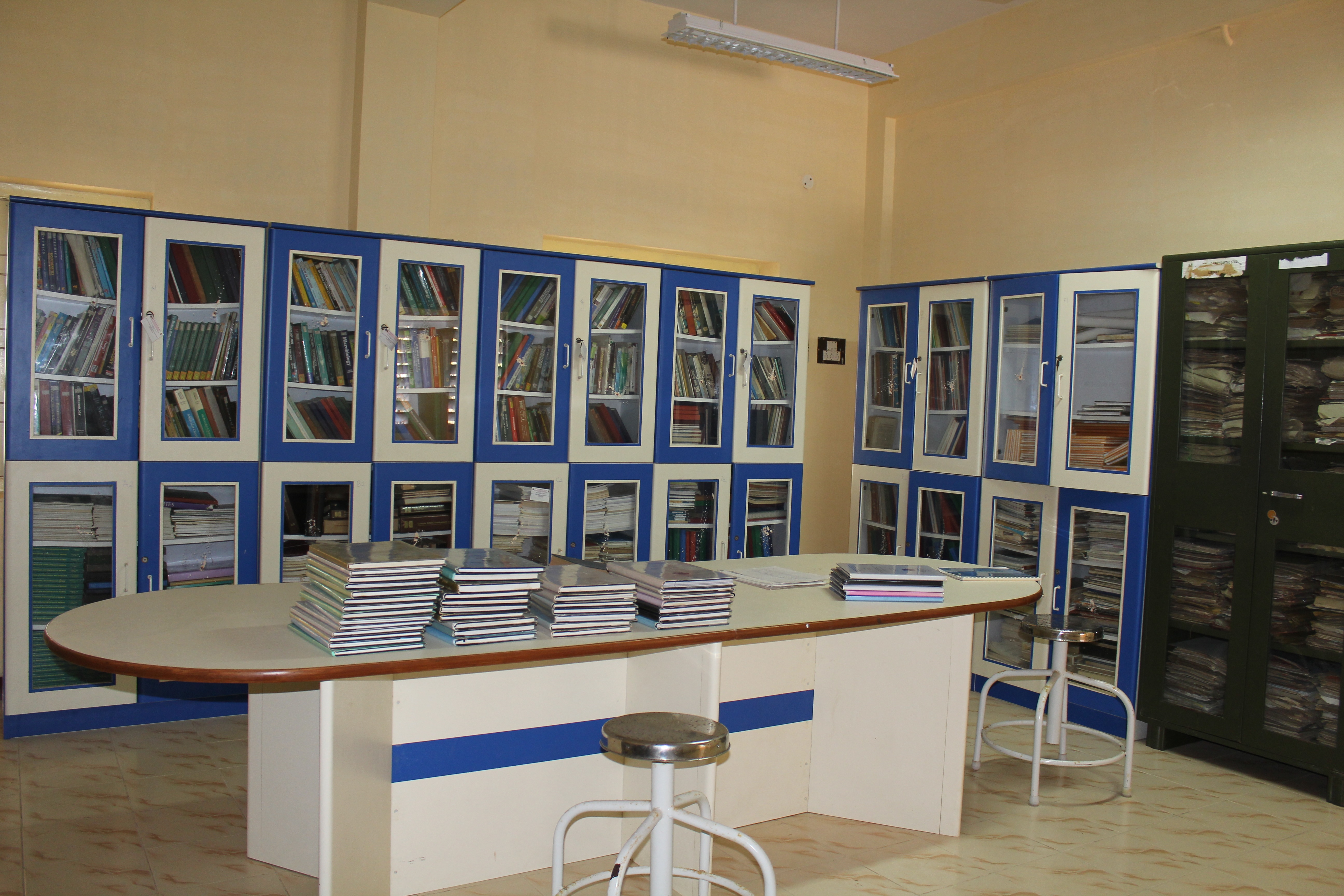
A separate well stocked books and research articles available in the departmental library.
Free internet access for the students in the University campus.
Guest lectures by experts and seminars for overall development of the students.
Excellent curriculum including Theory, Practicals and Research project work.
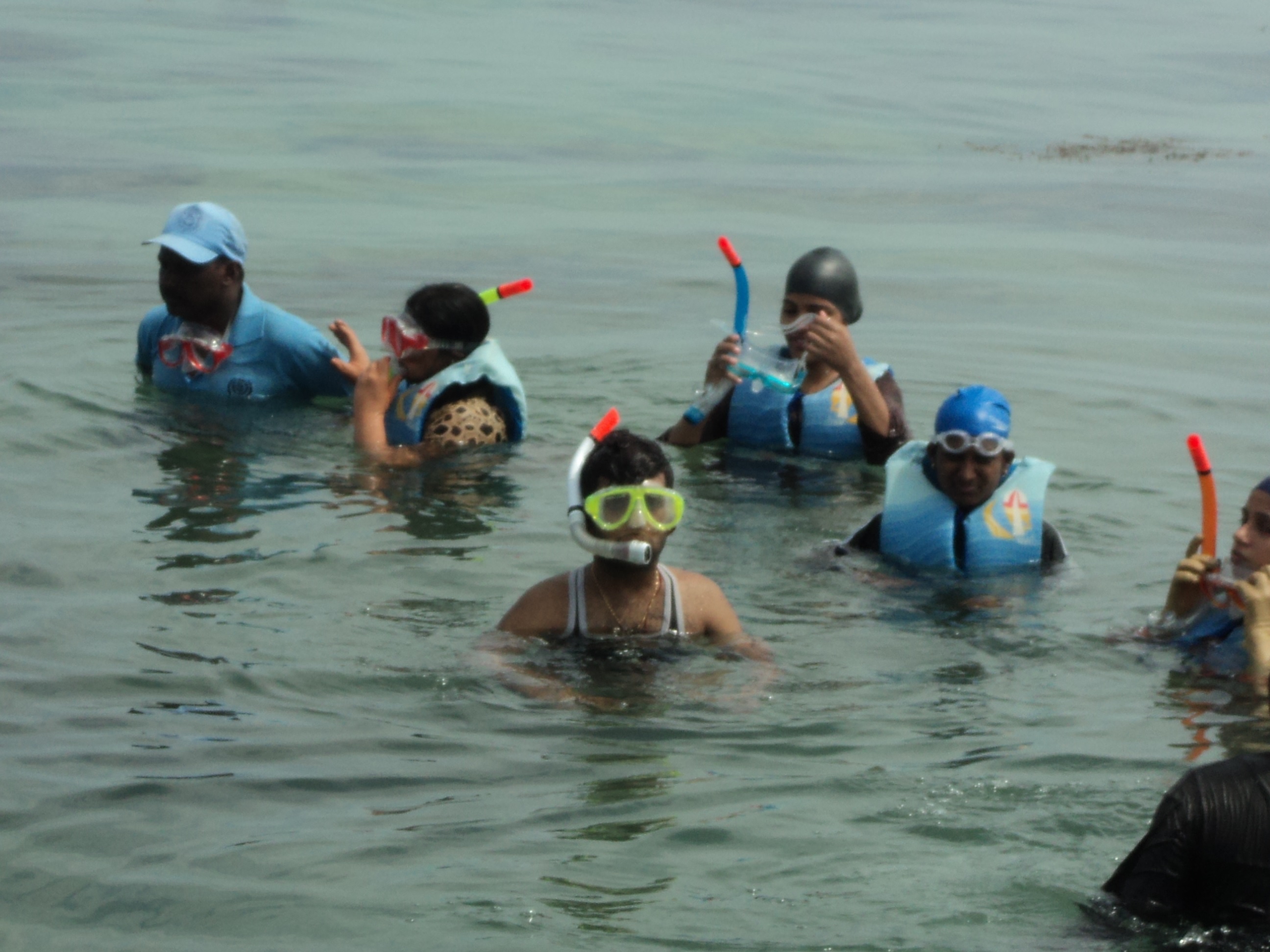
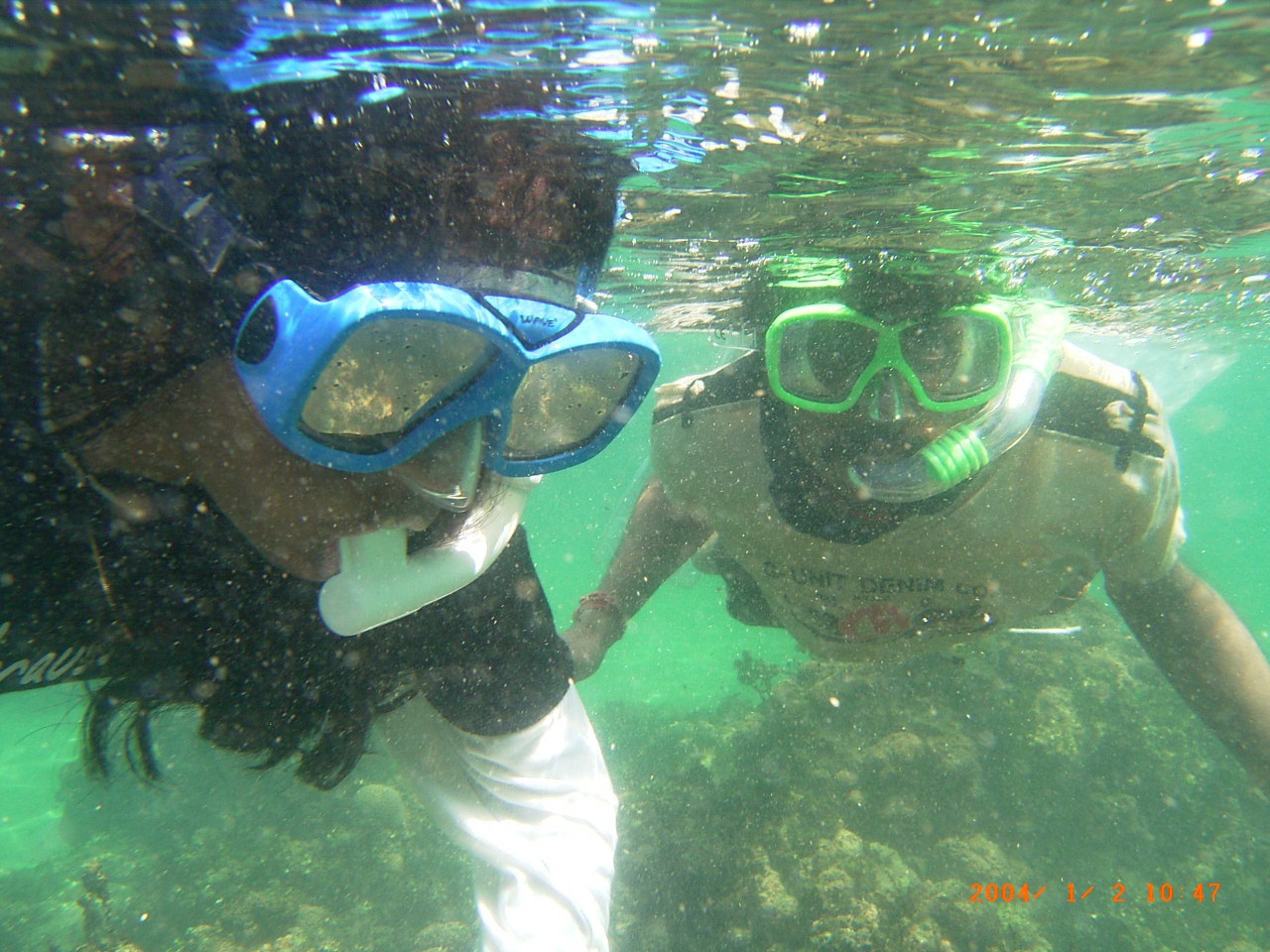
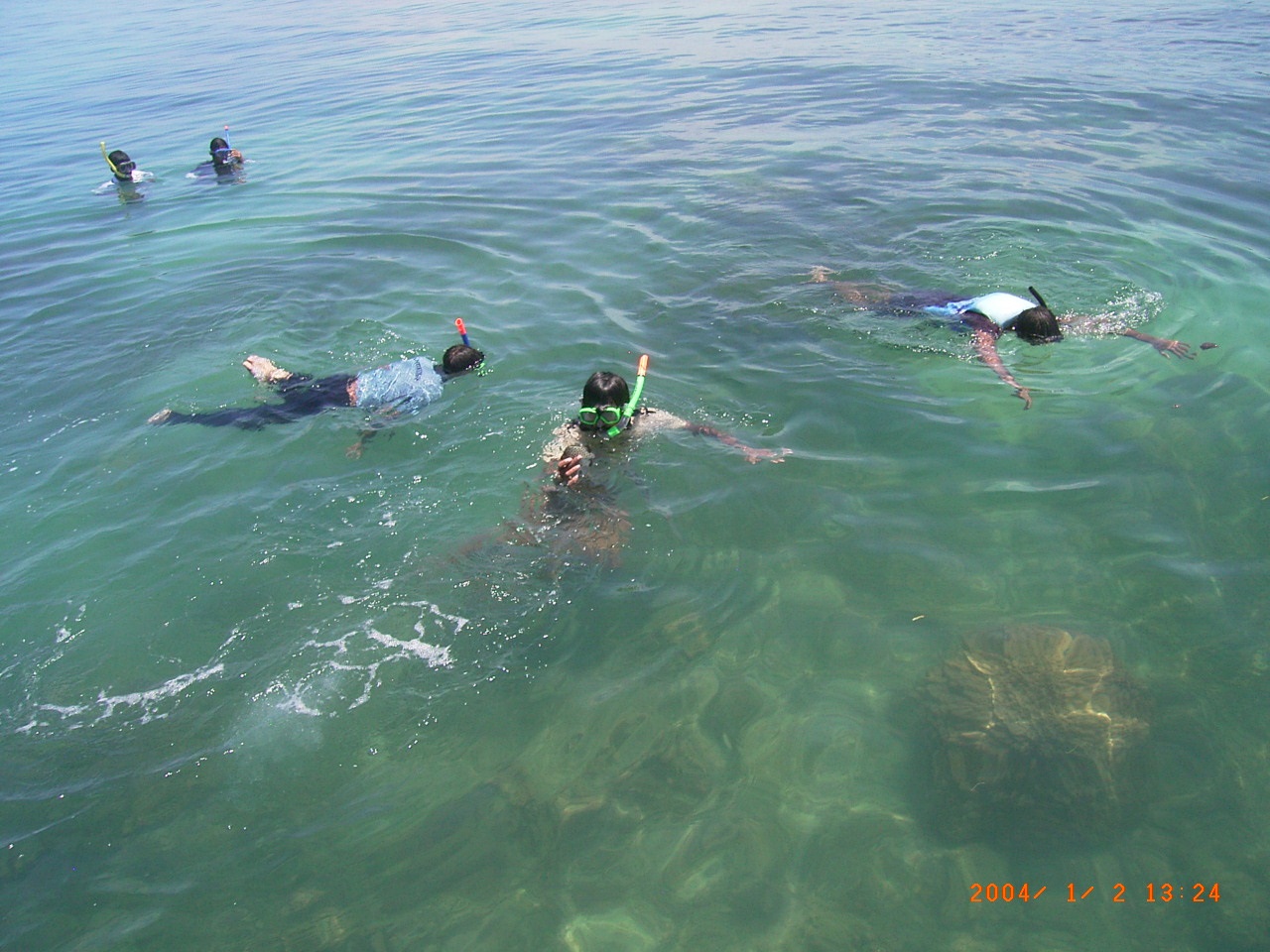
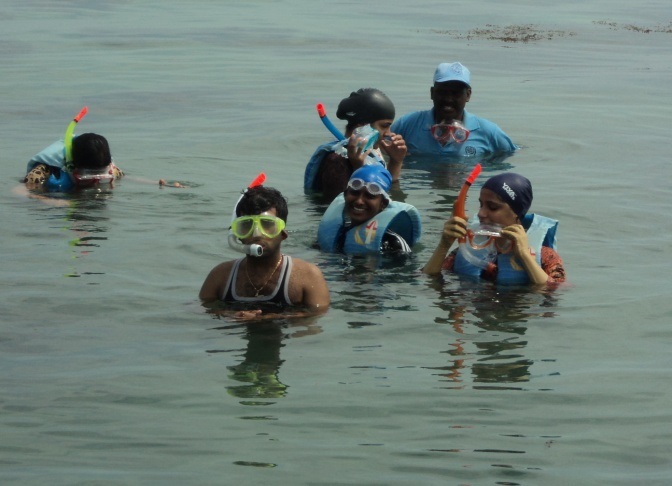
Students will train in underwater diving skills like snorkeling, skin diving etc.
Students will get an opportunity to get associated with the On-going research projects from various funding agencies viz., DBT, ICAR, DST-SERB etc.
Our Vision
To provide world-class education and research in the field of marine sciences with reference to the coastal and marine environment of the Gulf of Mannar region of Marine Biosphere Reserve, India.
Methods Of Instruction
Regular classes, lectures and practical sessions..
Seminars and Presentations.
Independent research projects.
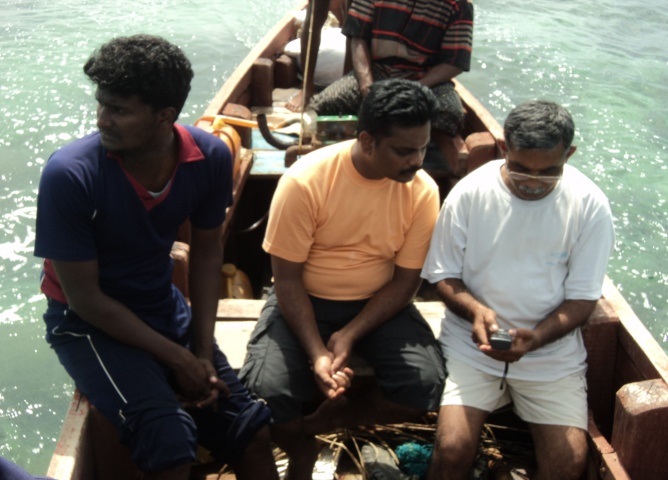
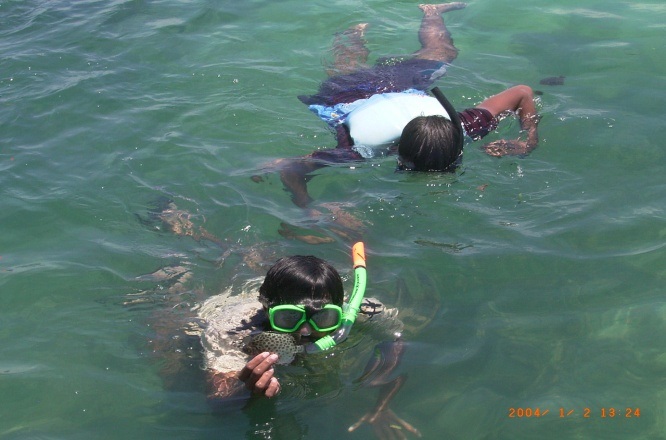
Frequent field visits to explore the under-water ecosystems in the Gulf of Mannar and Palk Bay regions by Swimming, snorkeling and skin diving.
Our Team
Dr. M. Anand (Certified Open Water Diver),Assistant Professor & Head
Mr. P. Thavasi (Certified Open Water Diver),Technical Officer
Mr. Raman,Laboratory Assistant
|
About Us
The ocean covers more than 70% of the Earth's surface. India has a 7,516 km coastline, 1197 islands and an Exclusive Economic Zone (EEZ) spanning 2.02 million sq km. As the majority of the Indian population lives in the coastal zone, an understanding of the processes and hazards associated with the coastal and oceanic environment is essential. DMCS offers a unique opportunity to study the underwater marine environment and understand the response of gene and protein expression of marine organisms with reference to marine pollution. Unlike other fields of science which involves full time laboratory work, studying marine sciences throw up real challenges to the young minds to prove their capabilities to work with nature in adventure.
We offer Masters Degree in Marine Biology (2 Years-Regular) and also offer M.Phil., Marine Environmental Studies (1 Year-Regular) and Ph.D., Research Degree (both Full-time & Part-Time) in the field of MARINE ECOTOXICOLOGY & POLLUTION, CORAL REEF ECOLOGY, MARINE MOLECULAR TAXONOMY, NANOTECHNOLOGY, SUB-AQUA MARINE ECOLOGY, MARINE BIOTECHNOLOGY, OCEAN ACIDIFICATION and FISH BIOLOGY.
Why to study M.Sc., Marine Biology course in the Department of Marine and Coastal Studies at Madurai Kamaraj University?
Curriculum encompasses core teaching on Marine Biology and Oceanography with underlying concepts on interdisciplinary chemistry and physics of the marine and coastal environment.
Theory classes will be handled at Madurai Kamaraj University main campus and students gain access to state-of-the-art computer facilities (Wi-Fi facility at MKU campus) and highly equipped instrumentation facility at Central Instrumentation Centre. Separate hostel facility is available for boys and girls in the MKU main campus at Madurai.
Our Marine Field Research Facility is situated in the coastal village of Pudhumadam in the vicinity of Marine Biosphere Reserve of the Gulf of Mannar region marine waters. Every fortnight on-site stationed 3-4 days continuous practical classes and field visit will be organized in our Marine Field Research facility at Pudhumadam where the students will study the diverse marine fauna and flora of the seagrass, mangroves, and coral reef ecosystems of Gulf of Mannar & Palk Bay regions. Swimming, Skin Diving and Snorkeling skills will be imparted to students to dive in the coral reef areas. A developing dormitory and dining facility for the students in Marine Field Research Facility at Pudhumadam during the on-site field visit.
The field visit will give students hands-on experience to study the live marine organisms in their habitat and hence will understand and appreciate the dynamic process of coastal and marine environment in the Gulf of Mannar & Palk Bay regions.
Students will get mentoring opportunity by leading scientist from Mandapam Regional Centre of CMFRI, Mandapam Camp, NIOT, Chennai, CSMCRI, Mandapam, NIO, Goa, and many other regional and national marine science laboratories for their dissertation / thesis / project work.
While pursuing the post-graduation will have opportunity to work or get associated in the on-going funded marine research project team.
Studying post-graduate in Marine Biology in the Department of Marine and Coastal Studies, Madurai Kamaraj University will serve as a pathway to higher research degree (Ph.D.,) in India and Abroad including diverse research and academic opportunities in the career of marine sciences.
|
Research Achievements of the Centre/Department:
Derived seawater quality criteria for fragile coral reef ecosystem of Gulf of Mannar using Marine Ecotoxicological Testing and established a Marine Ecotoxicological Research facility.
Assessed the molecular diversity of scleractinian coral zooxanthellae of Palk Bay coasts and identified 23 species of coral zooxanthellae using 28S rDNA and 18S rDNA first time in Indian coastal water corals.
Assessed the bio-physical status of corals and the natural and anthropogenic disturbances.
Studied coral bleaching phenomenon that occurred in global proportions during 1998 and 2002 due to El-Nino Southern Oscillation and increase in ambient temperature in the sea affecting coral reefs and associated fisheries causing socioeconomic problems to coastal fishing communities.
Studied and reported the impact of the tsunami of 26 Dec.2004 on the 21 islands and corals of Gulf of Mannar and Palk Bay in the southeast coast of India.
Monitored the socioeconomic status of coral reef resource users of Gulf of Mannar.
Assessed the coastal sewage pollution along the northern Gulf of Mannar using Microtox Toxicity Assay.
Assessing the status of marine litter pollution along the coastal and coral reef environment of Gulf of Mannar.
Long term monitoring studies on the impact of ocean acidification in the Gulf of Mannar waters
Evaluated the Marine Natural Products Chitosan and collagen as lead molecules for mosquito larvicidal property.
Established the property of marine seaweed photosynthetic pigments as dye-sensitizer in solar cells.
Studied the distribution of bacterioneuston community in the air-sea interface small micro layer (SML).
Enumerated the electrical conductivity property of bacterial nanowires.
Evaluated the Carbon sequestration potential of chinnapallam mangrove forest region in Ramnad District.
EIA studies on the impact of aquaculture industry in Mahabalipuram.
Consultancy – Sediment Toxicity Studies & Review of Palk Bay.
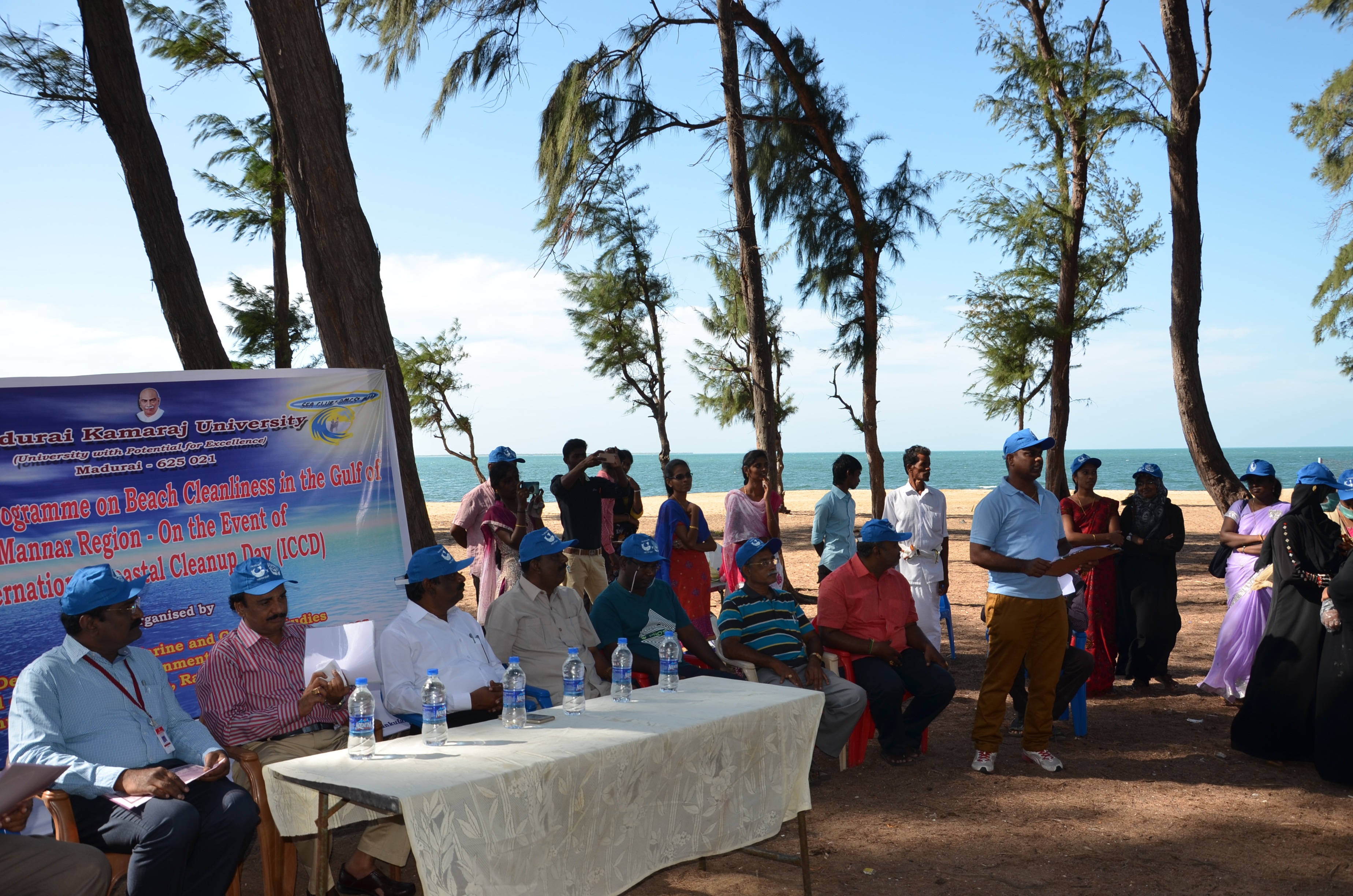
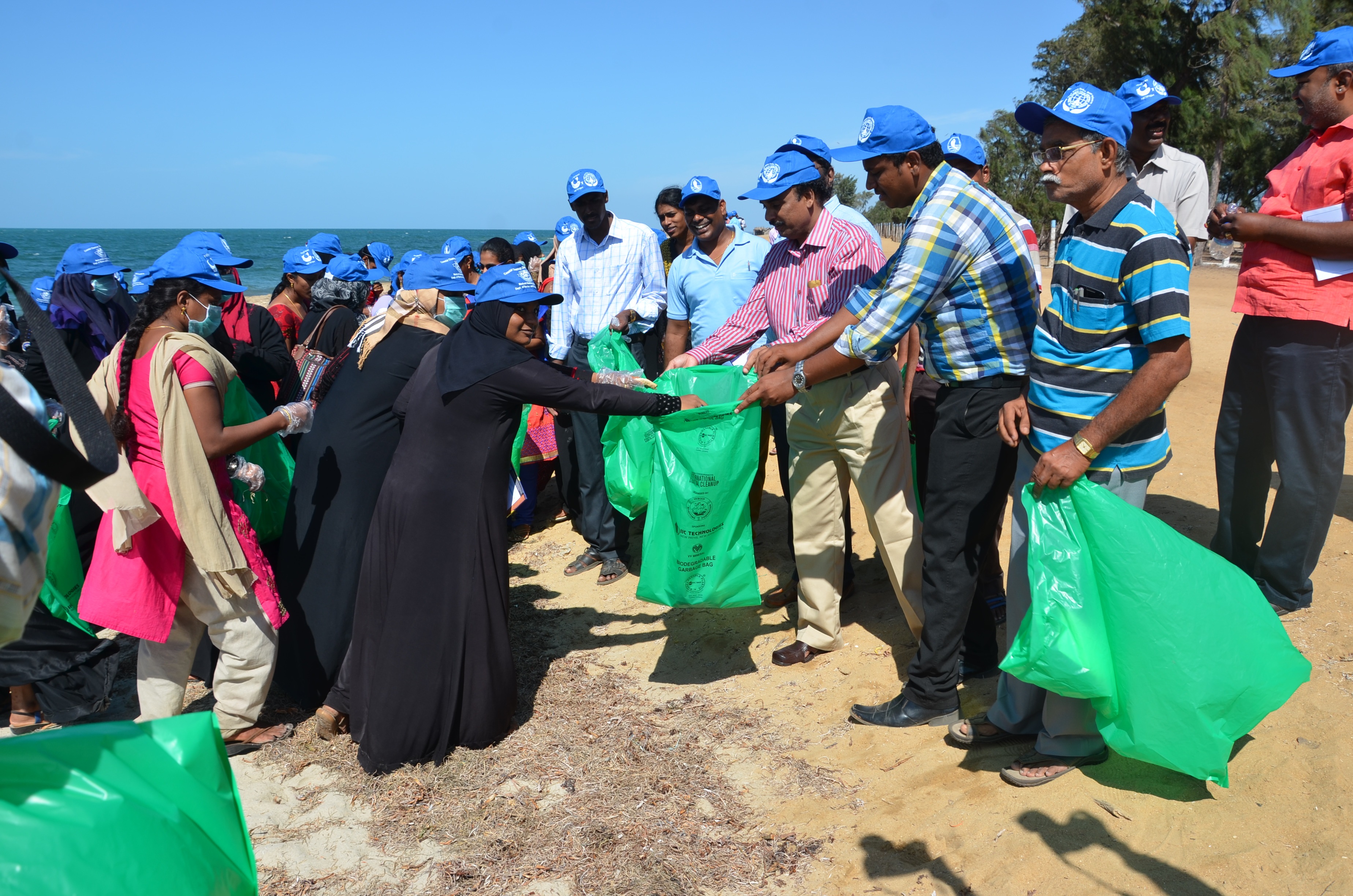
Outreach activities in spreading awareness on coastal hygiene and marine pollution in the coastal villages of Ramanathapuram district by observing International Coastal Cleanup Day (ICCD)
|
Academic Courses
M.Sc., Marine Biology (From 2014-15 onwards) (Previously M.Sc. Sub-Aqua Marine Ecology and Toxicogenomics i.e., from 2005-06 to 2013-14) (Two Years Regular course)
Minimum Qualifications
B.Sc., in any branch of Life Science (Biology / Biochemistry / Botany / Zoology / Microbiology / Marine Biology / Biotechnology or equivalent of a recognized Indian or Foreign University) Candidates should have secured a minimum of 55% marks in the subject (Part-III) and 50% marks for SC & STcategories.
M.Phil., Marine Environmental Studies (One Year Regular Course, From 2012 onwards)
Minimum Qualifications
A pass in Master's Degree in Sub-Aqua Marine Ecology/ Marine Studies/ Marine Biology/ Ocean Science/ Biotechnology/ Zoology/ Botany/ Animal Science/ Plant Science/ Biochemistry/ Microbiology and related subjects with a minimum of 55% marks scored in the PG examination or that recognized as equivalent thereto and 50% marks for SC & ST categories.
Theory classes for both M.Sc., and M.Phil., Courses will be handled at Madurai Kamaraj University, Madurai Main Campus. Our Madurai Main campus is equipped with separate hostel facilities for boys and girlsPractical and field practicals will be conducted at Marine Field Research facility located at Pudumadam Ramnad District.
MEMORANDUM OF UNDERSTANDING |
|
About Research
The on-going research projects of our department are focused in the field of coral reef ecology and conservation, marine molecular taxonomy, ocean acidification, marine pollution and marine ecotoxicology. The department has been recognized by its work and has been supported by international organizations such as IOC/UNESCO, UNDP, WHO, IFS, GCRMN and by national organizations such as the Ministry of Earth Sciences, Ministry of Environment and Forests, Indian Space Research Organization, Indian Council of Medical Research, Council of Scientific and Industrial Research, Planning Commission and the University Grants Commission. Following are the completed and on-going research projects:
Current Research Areas
Sub-Aqua Marine Ecology and Underwater ExplorationCoral Reef Ecology and Monitoring studiesMarine Microbiology, Genomics and ToxicogenomicsMarine Ecotoxicology and PollutionMarine Natural Products chemistryMarine Molecular Taxonomy & NanotechnologyGlobal Warming and Ocean AcidificationResearch Projects – Completed And On-Going
Retd., Prof. Dr. A. K. Kumaraguru, Former Head i/c. Former Vice-Chancellor of Manonmaniam Sundaranar University (23-07-2012 to 22-07-2015)
|
|
|
| Influence of various osmotic concentrations of the ambient medium on growth and biochemical composition of common carp. | ||
| Effects of salinity on the bioenergetics of common carp. | ||
| Monitoring the flow of heavy metals in urban sewage environments. | ||
| Monitoring heavy metals in vegetables grown in sewage fed farms – Student Project | ||
| In-situ observations on the under-water ecology of coral reefs and associated fauna in the Gulf of Mannar. | ||
| Ecology of ornamental fishes of export value in the Gulf of Mannar. | ||
| Manipulating the osmotic concen-tration of the ambient environment to enhance growth of fish. | ||
| Training Course on Marine environmental monitoring for representatives from Maldives. | ||
| Microbial contamination of coastal waters of Rameswaram. | ||
| Collection of qualitative and quantitative data on ornamental fishes of Gulf of Mannar. | ||
| Monitoring Coral Reef Environment of Gulf of Mannar – A Pilot Study. | ||
| Assessment of the bleaching and recovery of corals in the Gulf of Mannar. | ||
| Socioeconomic aspects of marine fishing communities in the Gulf of Mannar, India. | ||
| Studies on the socioeconomics of coral reef resource users in the Gulf of Mannar coast, South India. | ||
| Studies on the ecology of Scleractinian corals in the Palk Bay. | ||
| Biofouling and Antifouling Organisms in the Gulf of Mannar. | ||
| Environmental Impact Assessment of Textile Processing Units, Mettupalayam. | ||
| Sub-Aqua Marine Ecology and Toxicogenomics – UGC M.Sc., Innovative course. | ||
| Studies on coral reefs in coastal areas. | ||
| Assessment of Coral reef health status using Satellite Data. | ||
| Environmental quality assessment of marine waters of southern Gulf of Mannar. | ||
| Bibliographic compilation of scientific literature on the Gulf of Mannar Biosphere Reserve. | ||
| Mapping and monitoring Coral Reefs at Eco-Morphological level - Gulf of Mannar. | ||
| Marine Eco-toxicology – Studies for development of seawater quality criteria. | ||
| Climate change and health status of the Coral reef ecosystem in the Gulf of Mannar and Palk Bay, southeast coast of India. |
Dr C.M. Ramakritinan Assistant Professor(Retd)
|
|
|
|
| Molecular Diversity of Coral Zooxanthellae (Sub-Clade level) of Palk Bay Coast, India | |||
| Toxicological impact of dredged marine sediment of Krishnapatnam Port | |||
| Molecular Diversity of Coral Zooxanthellae of Palk Bay Coast, India | |||
| Impact of ocean acidification on Calcification of Marine Shell-fishes of Gulf of Mannar and analyzing the changes taken place over the period of 3 years. | |||
| Review of Palk Bay, Tamilnadu, India | |||
| Marine Ecotoxicology Studies for developing seawater quality criteria for coral reef ecosystem of Gulf of Mannar | |||
| Marine Litter in the Coastal and Coral Reef Environment of Gulf of Mannar | |||
| Marine Ecotoxicology Studies for developing seawater quality criteria for coral reef ecosystem of Gulf of Mannar – As co-investigator. | |||
| Coastal Water Quality Assessment: Effect of sewage effluents in the northern Gulf of Mannar coast using Microtox bioassay | |||
| Biosysnthesis of gold nanoparticles from seaweed of Gulf of Mannar and their antimicrobial properties. |
Dr M. Anand Assistant Professor
|
|
|
|
| Teachers Associateship for Research Excellence (TARE): Photovoltaic evaluation of marine based photosynthetic pigments as co-sensitizer for efficient solar cell performance | |||
| Assessment of the resilience potential of coral reefs and aragonite saturation state in the Gulf of Mannar towards recurrent episodes of coral bleaching- As Co- Principal Investigator | |||
| INSA Visiting Scientist Fellowship for 2017-2018 Host Institute IIT, Chennai | |||
| Study on the impact of climate change included Ocean acidification process on the physiology and calcifying rate of Sea Urchins between temperate (NEW ZEALAND) and tropical (INDIA) species | |||
| Investigation of Marine Seaweed Pigments as Sensitizer in Solar Cells | |||
| Synthesis of Chitosan nanoparticles from marine organisms of the Gulf of Mannar region, South India”. |
|
DEPARTMENT OF MARINE AND COASTAL STUDIES |
Dr M.Anand
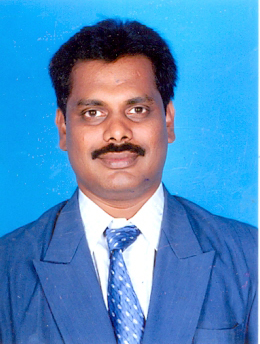
Assistant Professor & Head
Department of Marine and Coastal Studies
|
Placement details - DMCS distinguished Alumni
Director, Centre for Nanotechnology, VIT, Vellore.
Research Fellow, University of Canterbury, School of Biological Sciences, New Zealand.
Research Fellow, Dept. of Chemistry, Gradual, School of Science, Kyoto University, Kitashirakawa, Oiwakecho, Sakyo-ku, Japan.
Research Fellow, University of Maine USA.
Scientist ‘C’, ZSI, Kolkatta.
Research Fellow, Biology Wet Lab, CSIR, NIO, Kochi.
Scientist, NIO, Goa.
Project Scientist, Sussex University, UK.
Assistant Professor, Alagappa University, Karaikudi.
Scientist C, Centre for Climate Change Studies, Sathyabama Institute of Science and Technology, Chennai.
Project Assistant – Marine Biologist, NIOT, Chennai.
Chemical Research Co-coordinator, Lotus Lab Pvt. Ltd. Bangalore.
Meenakshi Mission Hospital, Madurai.
Aqua farm Technician, Kumaran Aqua Farm Tuticorin.
EIA studies on the impact of aquaculture industry in Mahabalipuram.
Consultancy – Sediment Toxicity Studies & Review of Palk Bay.
Outreach activities in spreading awareness on coastal hygiene and marine pollution in the coastal villages of Ramanathapuram district by observing International Coastal Cleanup Day (ICCD)
INFRASTRUCTURAL FACILITIES |
Department of Marine and Coastal Studies
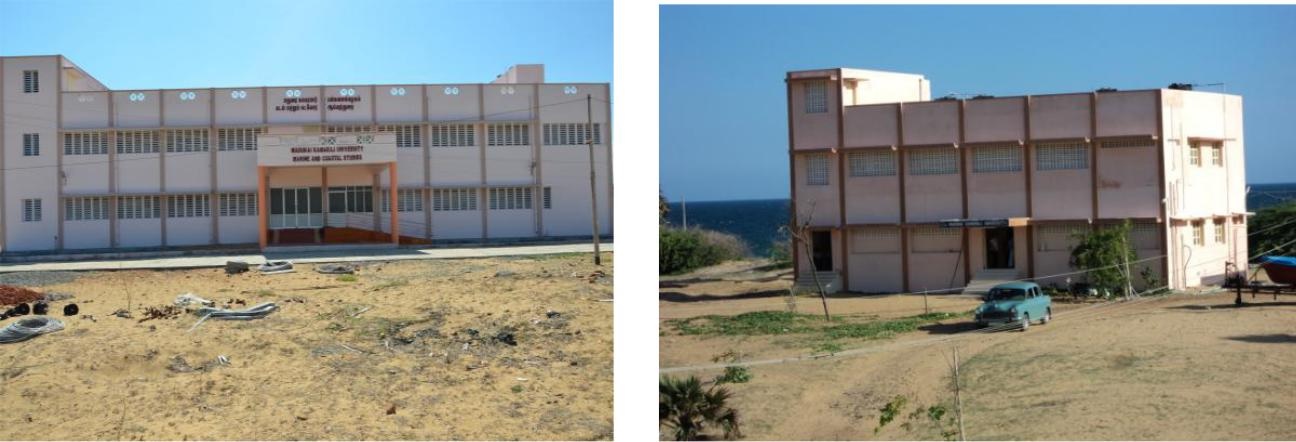
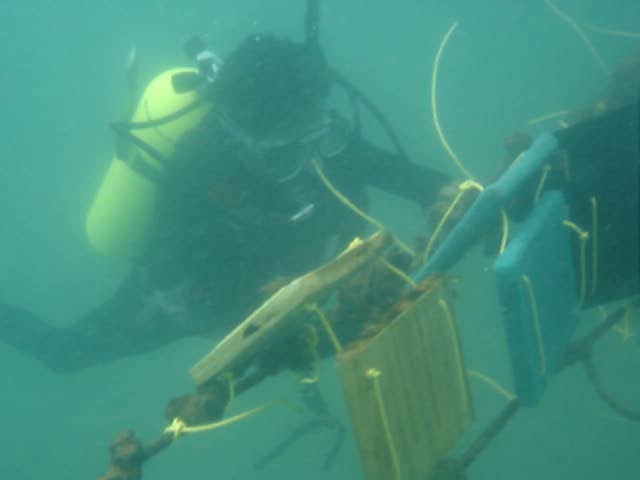
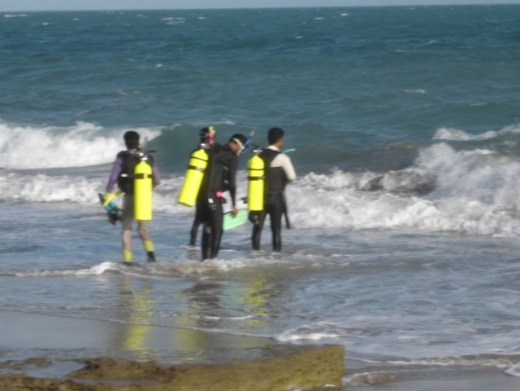
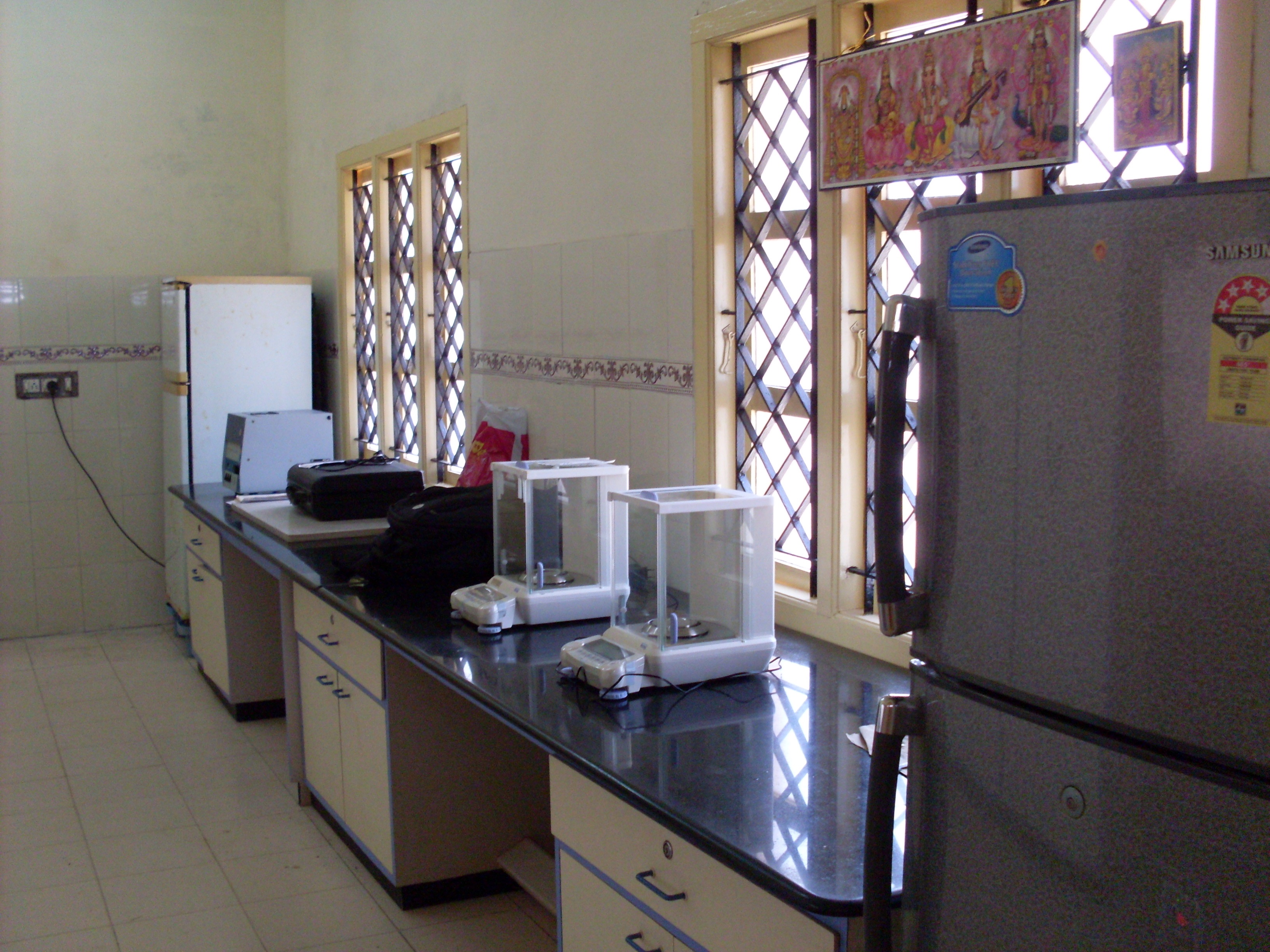
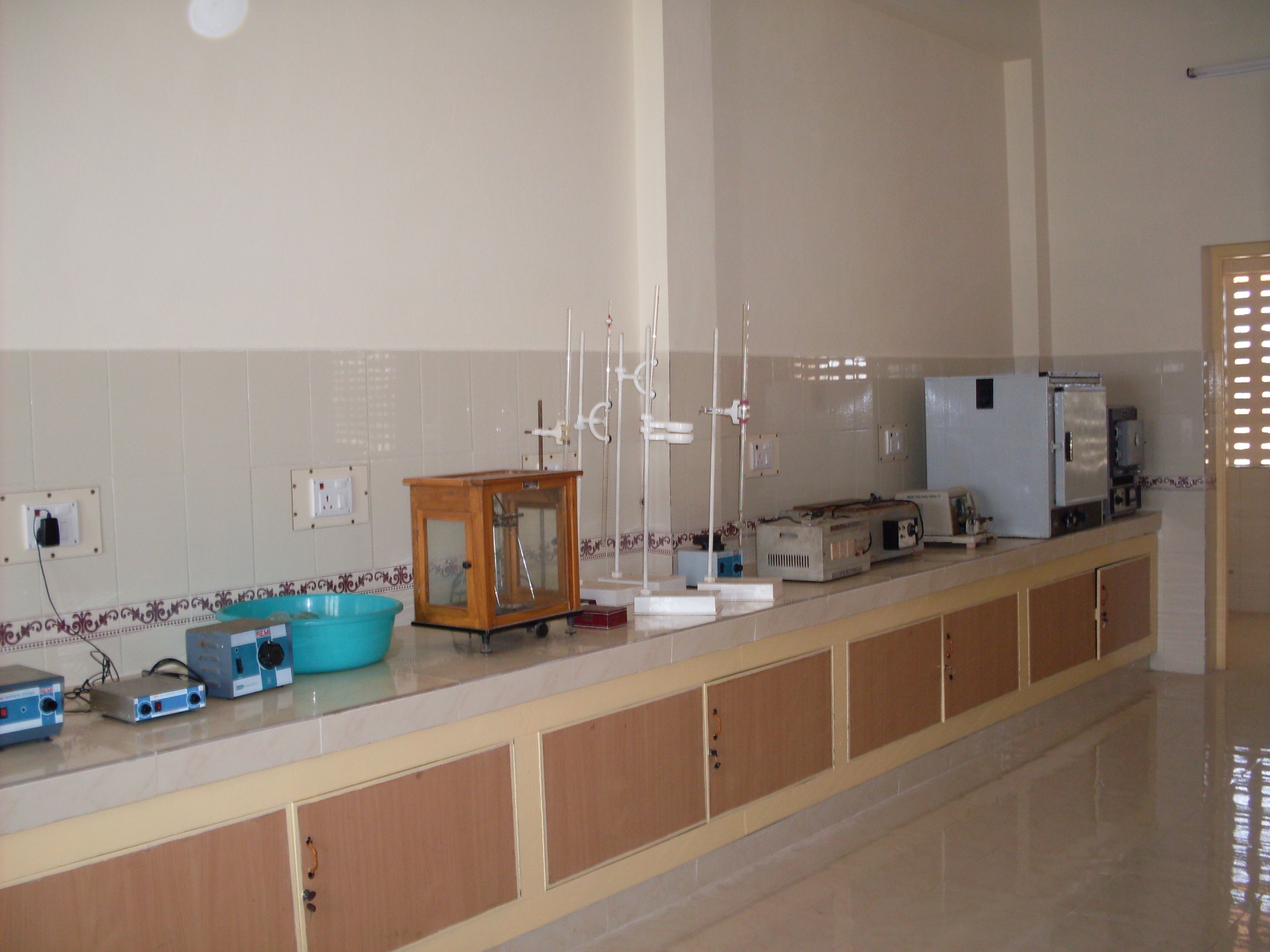
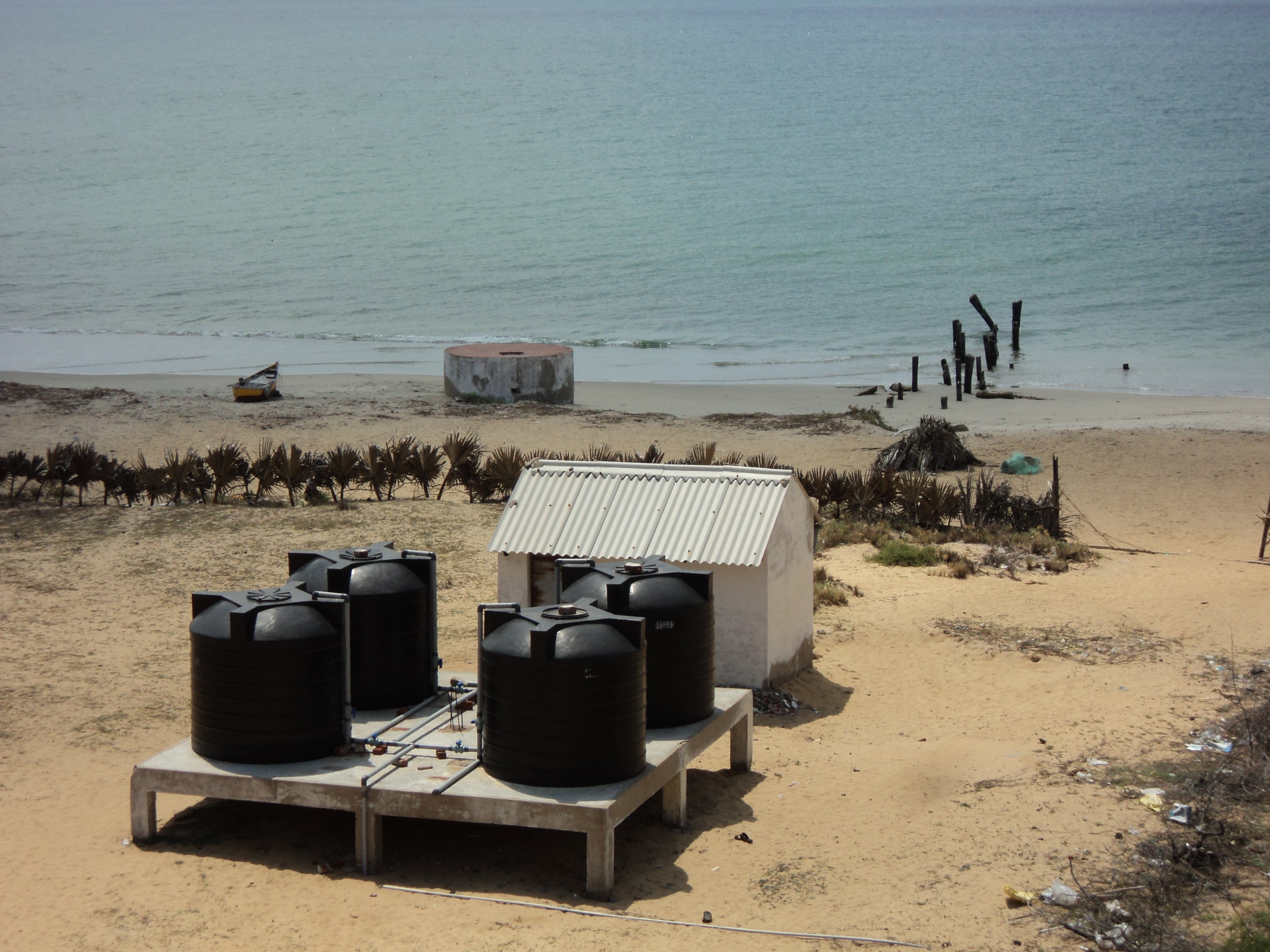
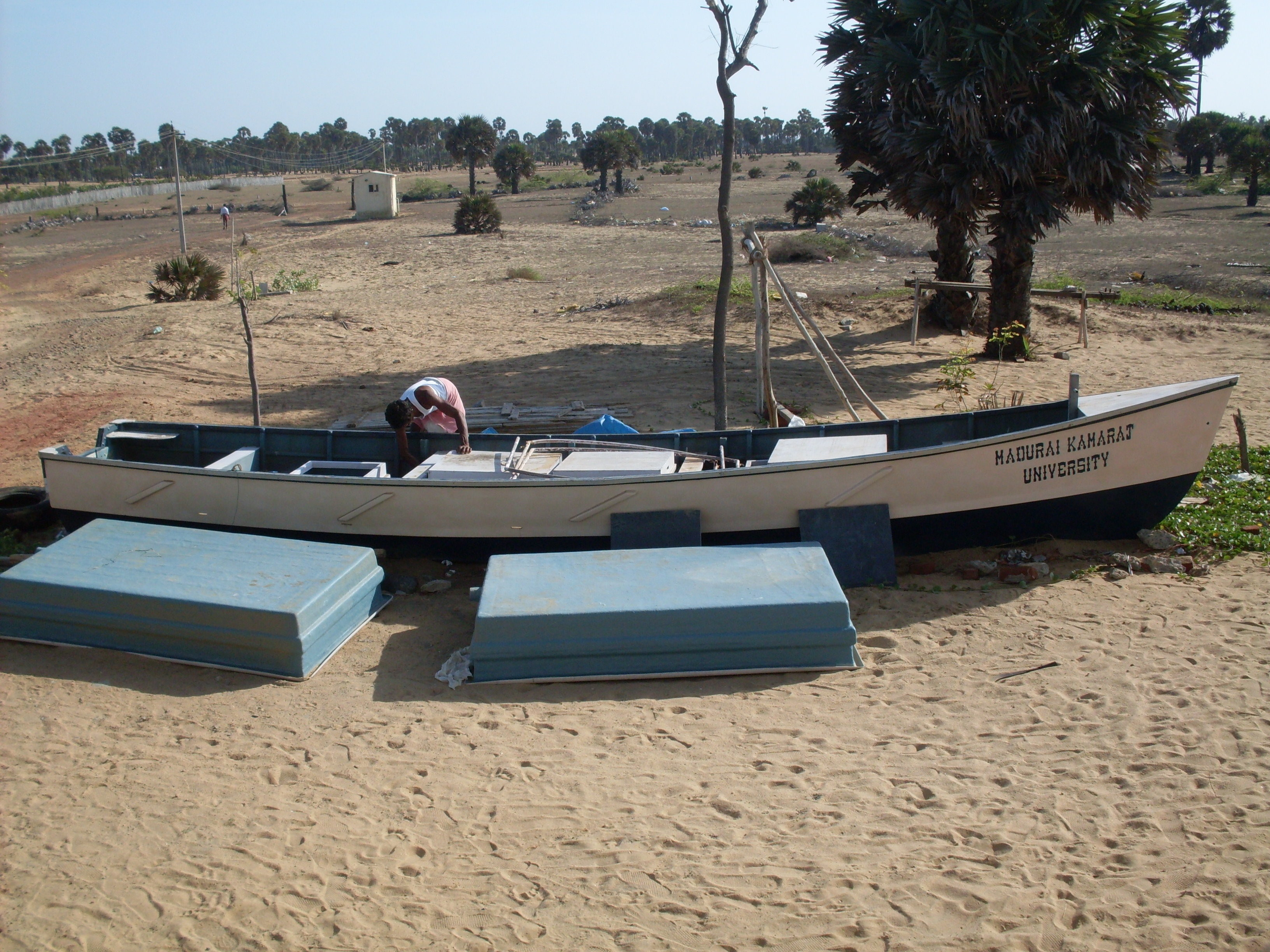
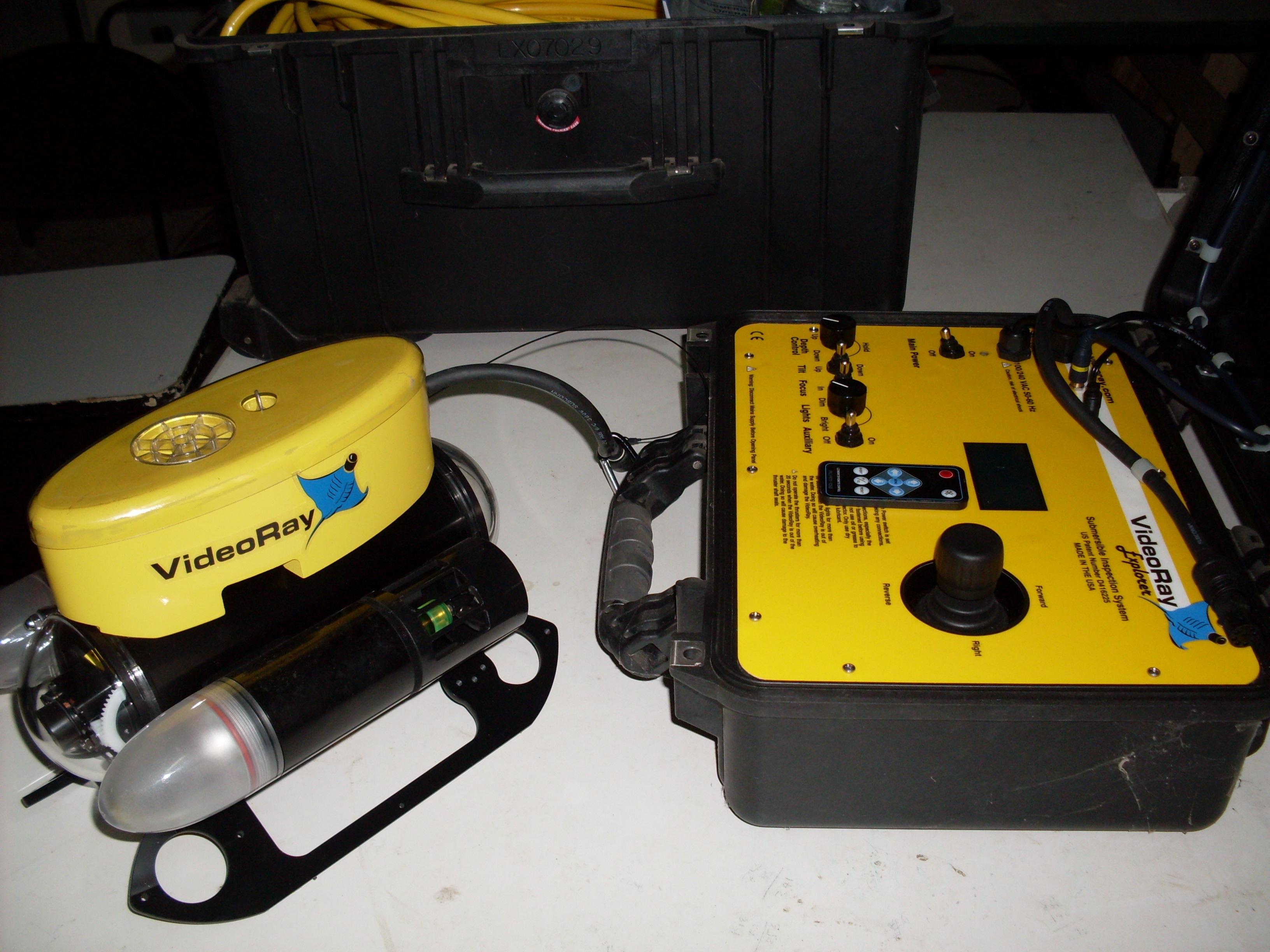
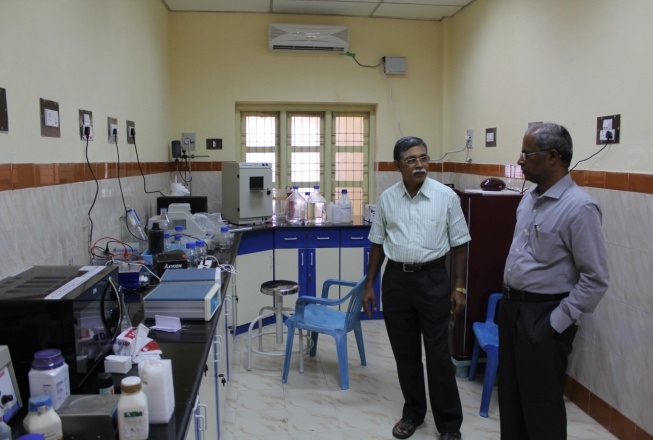
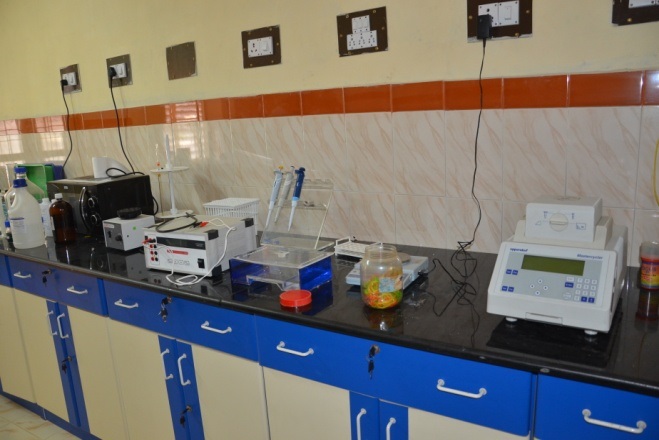
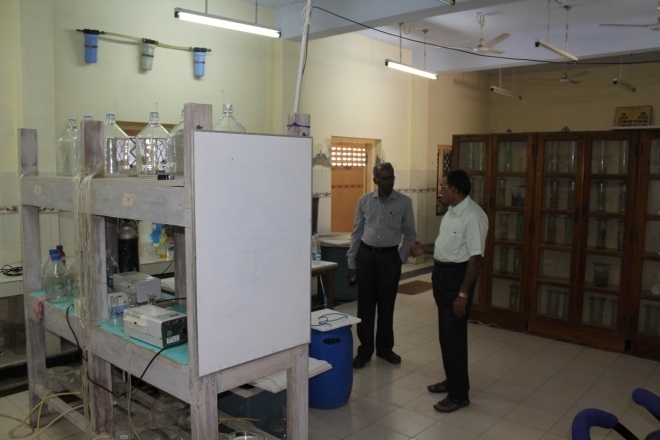
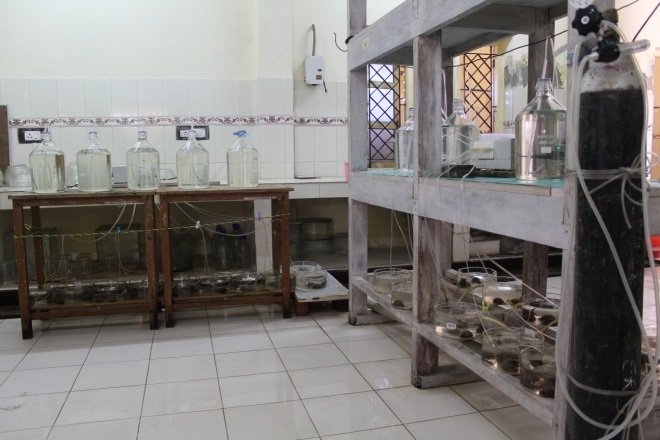
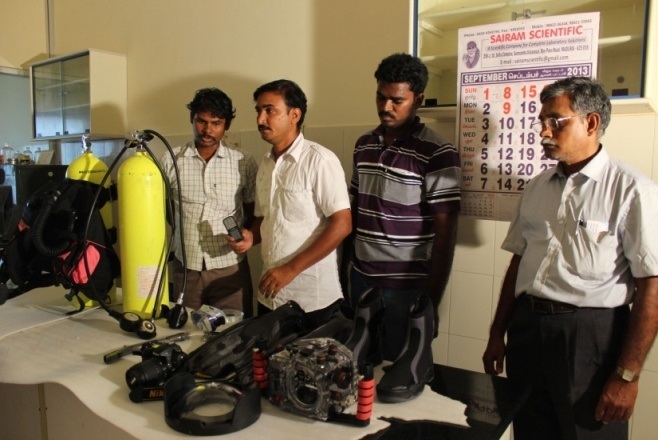
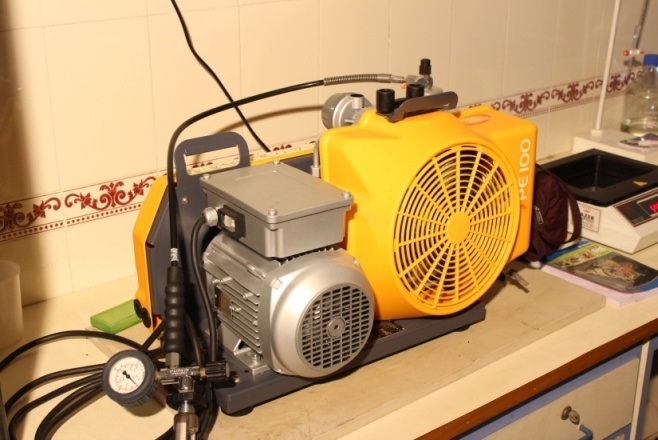
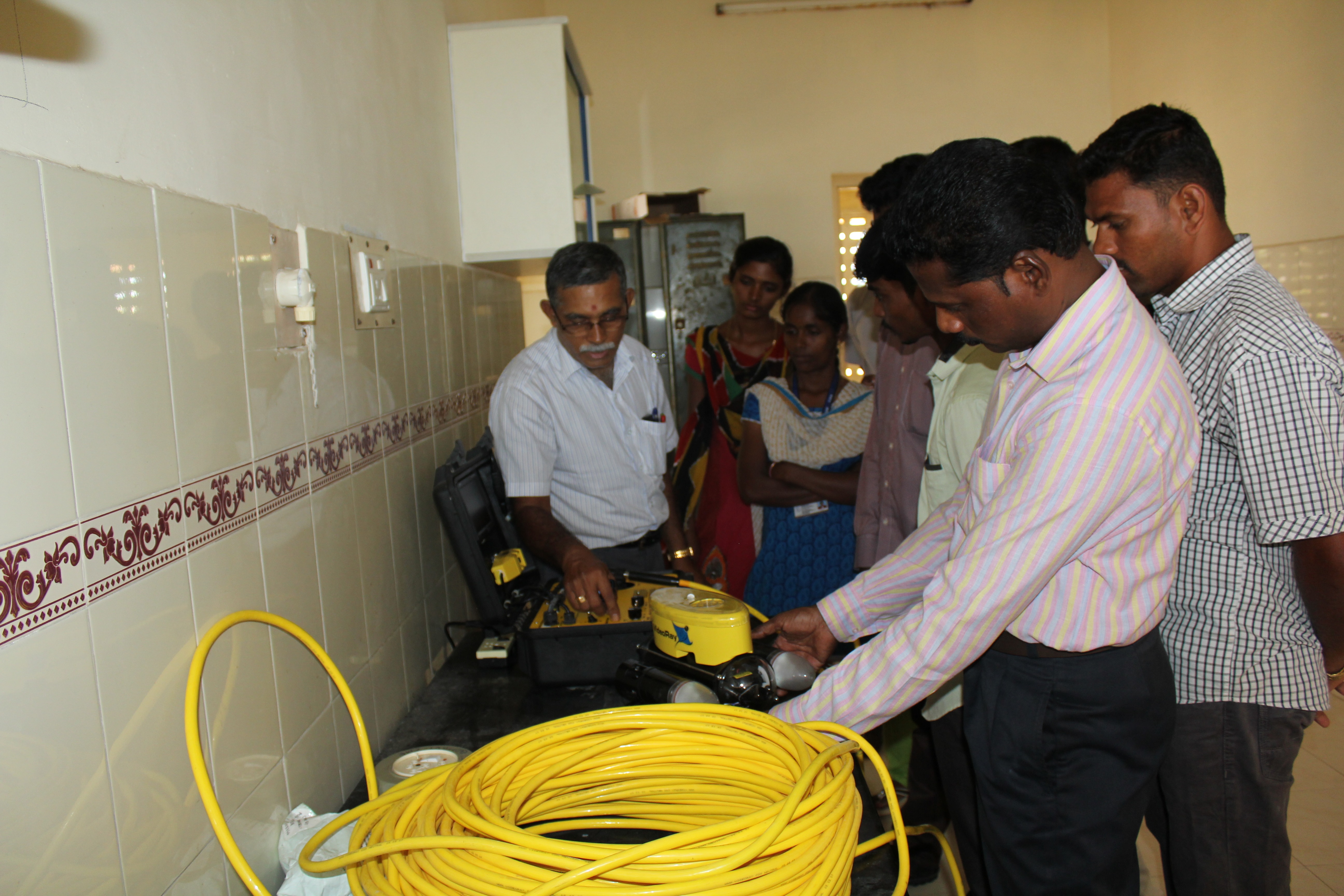
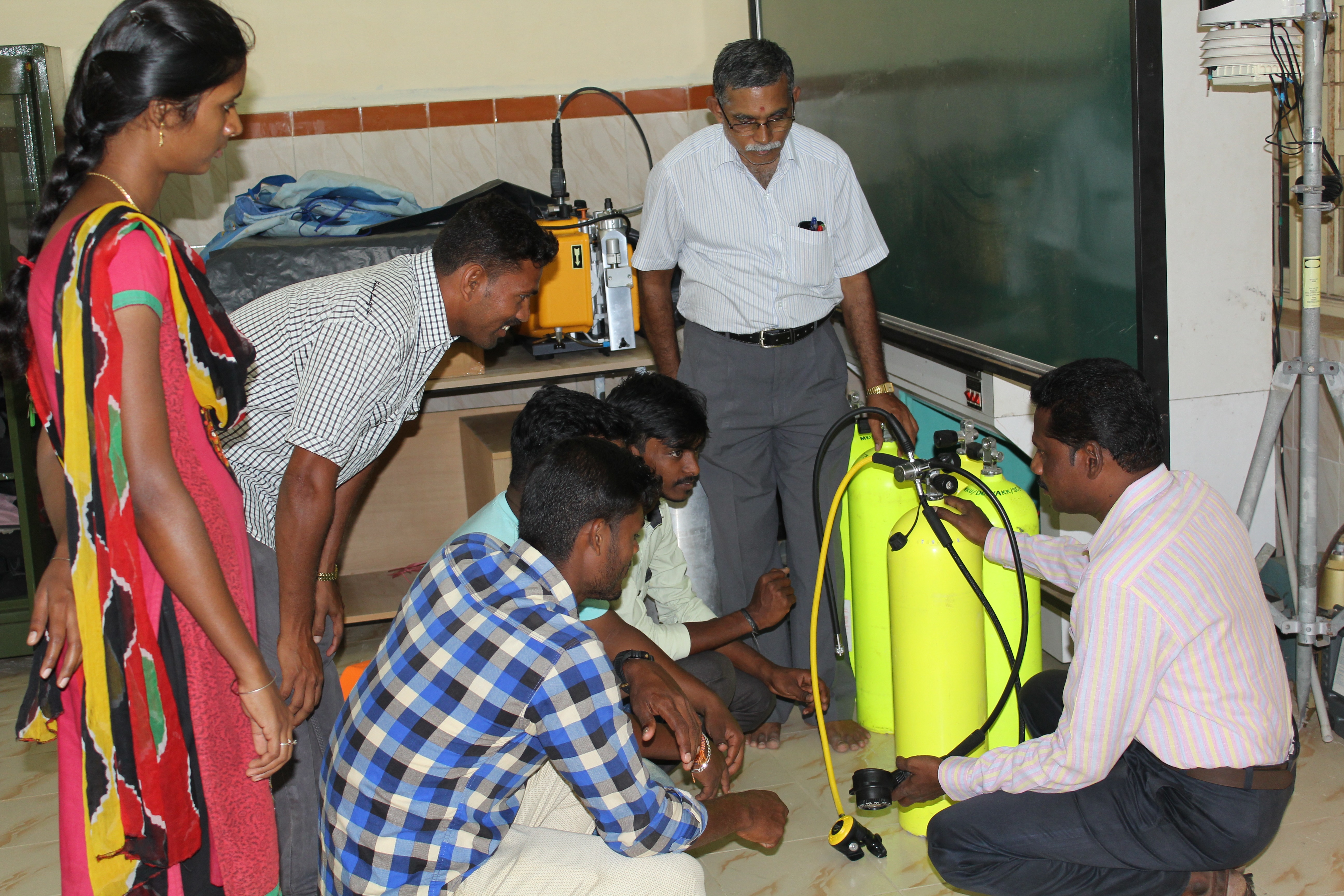
A Centre for Marine and Coastal Studies (CMCS) was instituted in 1998 for the establishment of a Marine Field Research facility at Pudumadam, a coastal village in Ramnad District. The university has received 6 acres of coastal Patta land by way of donation and One acre Seven cents by way of purchase from the local people to establish this centre. The Centre was upgraded to the Department of Marine and Coastal Studies from October 2009. Through MoES-ICMAM funding, the department established a Marine Ecotoxicology Research Laboratory at Pudumadam during X Plan period as a National Research Facility for carrying out the Marine Ecotoxicological Studies for the Derivation of Seawater Quality Criteria. The Department is well equipped with Marine Underwater (SCUBA) Diving facility.
INSTRUMENT FACILITIES |
|


Great work Sir. It's Informative for juniors like us.
ReplyDelete